-
Ardipithecus kadabba is one of the earliest known hominins, living between 5.8 and 5.2 million years ago in Ethiopia, and is recognized by fragmentary fossils showing a mix of ape-like dental traits and adaptations for bipedalism.
Hominin · Hominin · Middle Awash, Afar Region, EthiopiaYear Discovered 1997 -
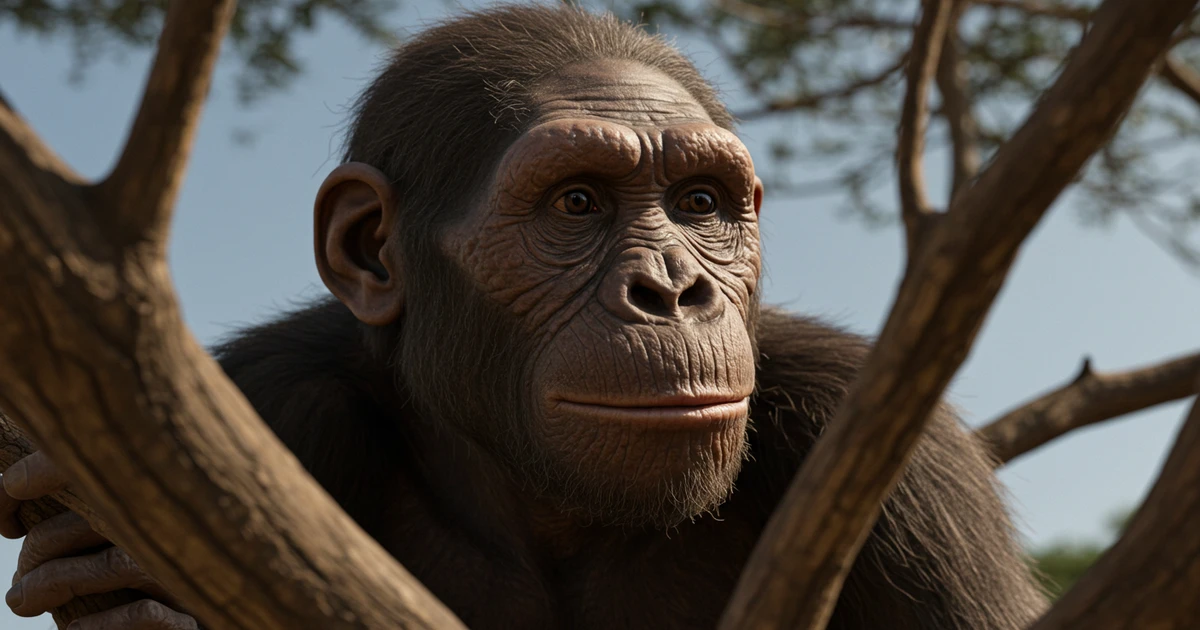
Ardipithecus ramidus is an early hominin species that lived approximately 4.4 million years ago in what is now Ethiopia. Known from the famous partial skeleton 'Ardi', this species displays a mosaic of ape-like and human-like features, including adaptations for both tree-climbing and upright walking, challenging previous theories about the origins of bipedalism.
Hominin · Hominin · Aramis, Afar Region, EthiopiaYear Discovered 1992Cranial Capacity 300 ccEstimated Stature 1.2 m -
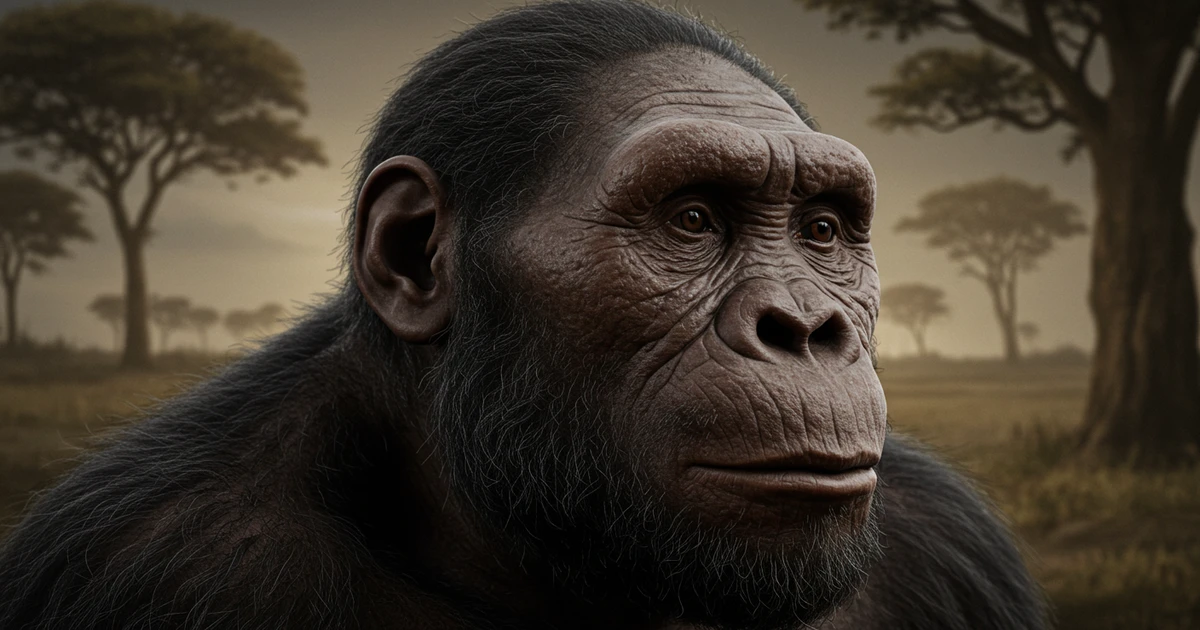
An extinct species of early hominin that lived between 3.9 and 2.9 million years ago in East Africa, famously represented by the fossil "Lucy" and known for its combination of ape-like cranial features and human-like bipedal locomotion.
Hominin · Hominin · Hadar, Afar Region, EthiopiaYear Discovered 1973Cranial Capacity 380 ccEstimated Stature 1 m -
Australopithecus africanus is an extinct species of gracile australopithecine that lived in Southern Africa during the Pliocene epoch. Known from key fossils like the 'Taung Child' and 'Mrs. Ples', it exhibited a mixture of ape-like and human-like features, including clear evidence for bipedalism combined with adaptations for climbing.
Hominin · Hominin · Krugersdorp, Gauteng, South AfricaYear Discovered 1924Cranial Capacity 428 ccEstimated Stature 1.1 m -
Australopithecus anamensis is one of the earliest known australopith species, demonstrating a clear combination of primitive ape-like cranial features and advanced post-cranial traits indicative of habitual bipedalism.
Hominin · Hominin · Kanapoi, Turkana County, KenyaYear Discovered 1994Cranial Capacity 370 ccEstimated Stature 1.3 m -
Australopithecus garhi is a species of australopith from the Pliocene of Ethiopia, dated to 2.5 million years ago. Its discovery was significant for its association with the earliest evidence of large mammal butchery, suggesting it may have been among the first hominins to use stone tools, potentially positioning it as a direct ancestor to the genus Homo.
Profile · Hominin · Bouri, Afar Region, EthiopiaYear Discovered 1997Cranial Capacity 450 ccEstimated Stature 1.4 m -
Australopithecus sediba is a unique hominin species from South Africa, dated to approximately 2 million years ago. It displays a remarkable mosaic of primitive australopith features and more derived traits seen in the genus Homo, making its phylogenetic position a subject of intense scientific debate.
Hominin · Hominin · Magaliesburg, Gauteng, South AfricaYear Discovered 2008Cranial Capacity 420 ccEstimated Stature 1.15 m -
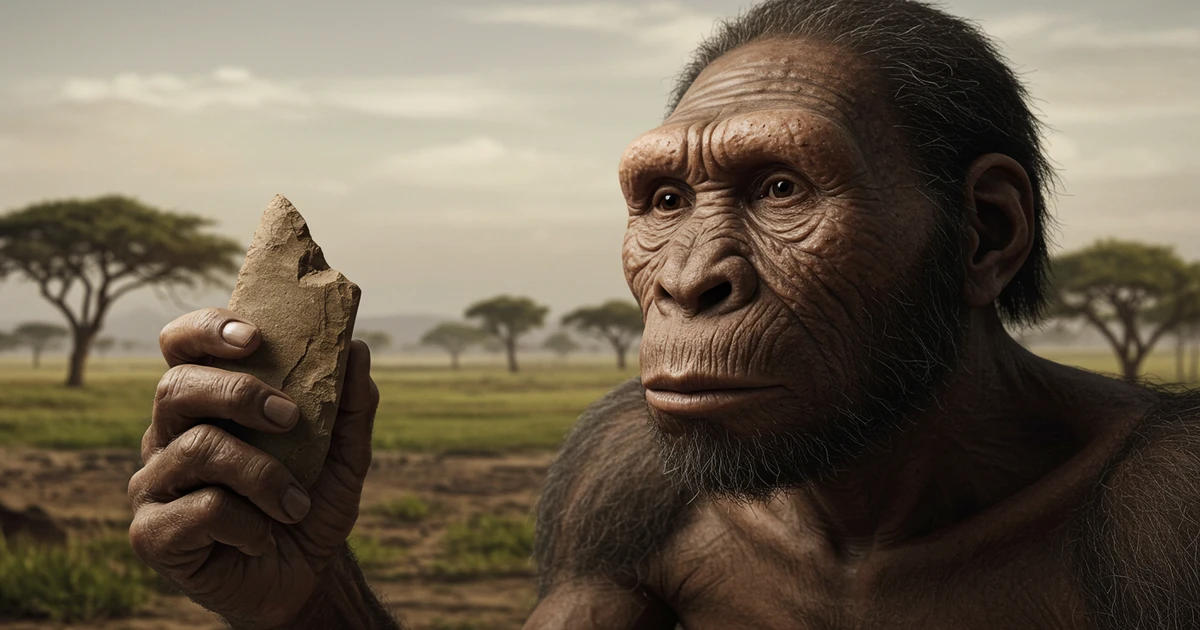
Homo erectus is an extinct species of archaic human from the Pleistocene, notable for its human-like body proportions, expanded brain size, wide geographic dispersal across Africa and Eurasia, and its association with the Acheulean stone tool industry.
Profile · Hominin · Ngawi Regency, East Java, IndonesiaYear Discovered 1891Cranial Capacity 850 ccEstimated Stature 1.6 m -
Homo ergaster, or 'working man', is an extinct early hominin species that lived in eastern and southern Africa during the early Pleistocene, notable for its modern human-like body proportions and its association with the Acheulean stone tool industry.
database_entry · Hominin · Koobi Fora, Marsabit County, KenyaYear Discovered 1975Cranial Capacity 600 ccEstimated Stature 1.6 m -
Homo floresiensis, nicknamed 'the Hobbit', is an extinct species of small-bodied hominin that inhabited the island of Flores, Indonesia. Known for its diminutive stature and small brain, it represents a unique case of insular dwarfism in human evolution and challenges our understanding of hominin diversity and cognitive capabilities.
Hominin · Genus Homo · Ruteng, East Nusa Tenggara, IndonesiaYear Discovered 2003Cranial Capacity 426 ccEstimated Stature 1.1 m -
Homo habilis, meaning 'handy man', is an early species of the genus Homo that lived in Africa between approximately 2.4 and 1.4 million years ago, and is distinguished as the first hominin widely associated with the production of stone tools.
Profile · Hominin · Arusha, Arusha Region, TanzaniaYear Discovered 1960Cranial Capacity 550 ccEstimated Stature 1 m -
An extinct hominin species from the Middle Pleistocene, considered the last common ancestor of both Neanderthals and modern humans, known for its large brain and advanced tool-making.
Hominin · Paleoanthropology · Mauer, Baden-Württemberg, GermanyYear Discovered 1907Cranial Capacity 1,100 ccEstimated Stature 1.57 m -
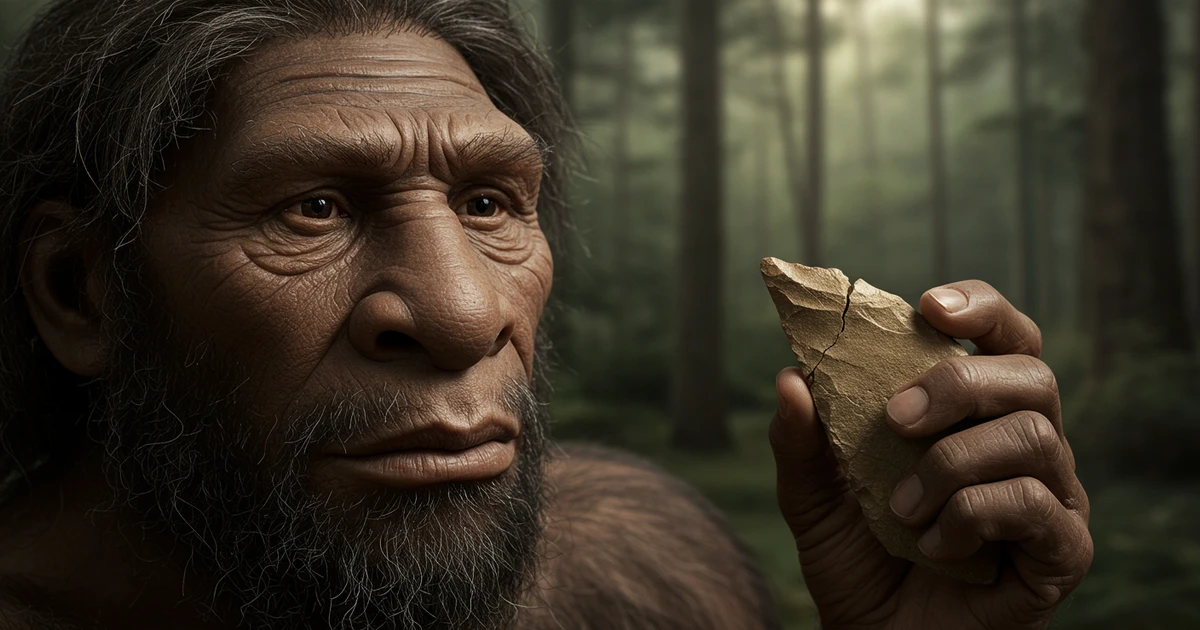
Homo neanderthalensis is an extinct species of archaic human that inhabited Eurasia from approximately 400,000 to 40,000 years ago, known for their robust build, large brains, and sophisticated Mousterian tool culture.
Hominin · Genus Homo · Mettmann, North Rhine-Westphalia, GermanyYear Discovered 1856Cranial Capacity 1,200 ccEstimated Stature 1.52 m -
Homo rudolfensis is an extinct species of early hominin from the Early Pleistocene of East Africa, characterized by a significantly larger braincase and a flatter, broader face compared to its contemporary, Homo habilis.
Hominin · Hominin · Koobi Fora, Marsabit County, KenyaYear Discovered 1972Cranial Capacity 700 ccEstimated Stature 1.5 m -
An early hominin species from the Pliocene of East Africa, notable for its uniquely flat facial structure and its controversial taxonomic placement relative to Australopithecus.
Hominin · Hominin · Lomekwi, Turkana County, KenyaYear Discovered 1999Cranial Capacity 400 cc -
Orrorin tugenensis, nicknamed 'Millennium Man', is one of the earliest potential hominins, dating to about 6 million years ago, with fossil evidence suggesting a combination of terrestrial bipedalism and arboreal climbing.
Hominin · Hominin · Kapsomin, Baringo County, KenyaYear Discovered 2000Estimated Stature 1.1 m -
An early robust australopithecine from East Africa, Paranthropus aethiopicus is renowned for its hyper-robust cranial features, including a massive sagittal crest and large molars, indicating extreme dietary specialization.
Hominin · Hominin · West Turkana, Turkana County, KenyaYear Discovered 1967Cranial Capacity 410 cc -
Paranthropus boisei, often called 'Nutcracker Man,' was a robust australopith that lived in East Africa from approximately 2.3 to 1.2 million years ago, characterized by a powerful skull adapted for heavy chewing.
Hominin · Hominin · Arusha, Arusha Region, TanzaniaYear Discovered 1959Cranial Capacity 500 ccEstimated Stature 1.24 m -
Paranthropus robustus is an extinct hominin species from South Africa, dating from approximately 2.0 to 1.2 million years ago, characterized by a powerful skull and large teeth adapted for heavy chewing.
Hominin · Hominin · Krugersdorp, Gauteng, South AfricaYear Discovered 1938Cranial Capacity 410 ccEstimated Stature 1.1 m -
Sahelanthropus tchadensis is one of the earliest known species in the human family tree, living between 7 and 6 million years ago in West-Central Africa and representing a potential common ancestor of humans and chimpanzees.
Hominin · Hominin · Koro Toro, Borkou, ChadYear Discovered 2001Cranial Capacity 320 ccEstimated Stature 1 m

No items match your filters
Try widening a metric range, removing a category, or clearing everything to browse the full catalog.
Clear all filters