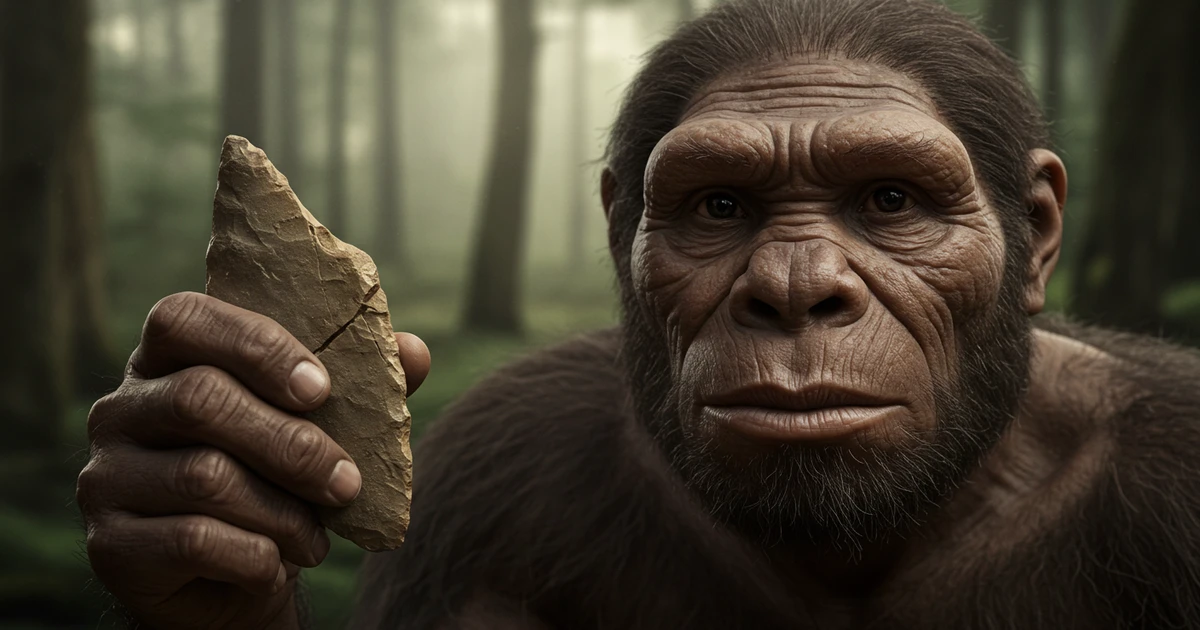
Homo heidelbergensis
Homo heidelbergensis is a pivotal extinct hominin species that inhabited Africa, Europe, and possibly Asia during the Middle Pleistocene, from approximately 700,000 to 200,000 years ago. It is widely considered the last common ancestor of Neanderthals (Homo neanderthalensis) and modern humans (Homo sapiens). Anatomically, H. heidelbergensis presents a mosaic of features, combining a robust, heavily built postcranial skeleton with a significantly larger braincase than its predecessor, Homo erectus, averaging between 1100 and 1400 cubic centimeters. This cranial expansion is housed within a long, low skull featuring a prominent double-arched brow ridge, a receding forehead, and a prognathic mid-face. Fossils from key sites like Mauer in Germany, Petralona in Greece, and Kabwe in Zambia showcase adaptations to diverse, often cooler, environments.
The cultural and behavioral repertoire of Homo heidelbergensis marks a significant cognitive leap. This species is definitively associated with the Acheulean tool industry, producing sophisticated bifacial hand axes and cleavers that demonstrate advanced planning and skill. Compelling evidence from Schöningen, Germany, includes remarkably preserved wooden throwing spears, indicating they were capable big-game hunters who likely worked cooperatively. Furthermore, the Sima de los Huesos ("Pit of Bones") site in Spain, containing the remains of at least 28 individuals, offers the earliest potential evidence for mortuary practices. While debated, the deliberate deposition of bodies in this deep cave chamber suggests complex social behaviors and possibly the dawn of symbolic thought or ritual.
Attributes
| Year Discovered | 1907 |
|---|---|
| Cranial Capacity | 1100 cc |
| Estimated Stature | 1.57 m |
| Type Specimen | Mauer 1 |
| Evolutionary Group | Genus Homo |
| Associated Tools | Acheulean |
| Chronological Range | 0.7 - 0.2 Mya Mya |
| Extinction Context | Evolved into descendant species; Neanderthals in Europe and Homo sapiens in Africa. |
| Fossil Abundance | Hundreds of specimens |