Anatomy and Morphology
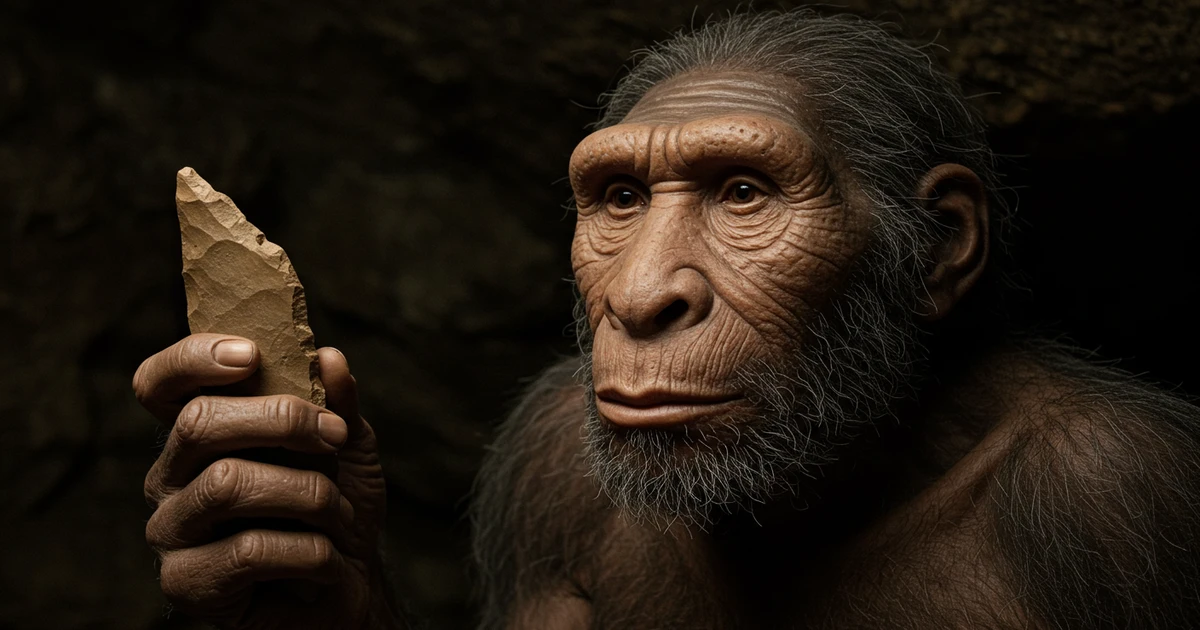
Homo erectus represents a significant grade shift in human evolution, characterized by modern, human-like body proportions with long legs and shorter arms, indicating a full commitment to terrestrial bipedalism. This anatomical change facilitated efficient long-distance travel and endurance running. Cranial capacity showed a notable increase over earlier hominins, averaging between 850 and 1100 cubic centimeters, although some specimens fall outside this range. The skull itself was distinctive, featuring a long, low cranial vault, a prominent supraorbital torus (brow ridge), a receding forehead, and the absence of a chin. Its robust skeleton supported a larger body size than australopithecines, reflecting a more physically demanding and varied lifestyle.
This species was the first hominin to achieve a wide geographical distribution, with fossil evidence spanning from Africa to East and Southeast Asia, and potentially Europe. This expansion was facilitated by significant behavioral and technological advancements, most notably the development of the Acheulean tool industry around 1.76 million years ago. These toolkits, characterized by bifacial hand axes and cleavers, suggest enhanced cognitive abilities, planning, and skill. Compelling evidence also points to H. erectus being the first hominin to control fire, a pivotal adaptation that provided warmth, protection from predators, and the ability to cook food, thereby increasing nutrient availability.
Attributes
| Year Discovered | 1891 |
|---|---|
| Cranial Capacity | 850 cc |
| Estimated Stature | 1.6 m |
| Type Specimen | Trinil 2 |
| Evolutionary Group | Genus Homo |
| Associated Tools | Acheulean |
| Chronological Range | 1.9 - 0.117 Mya Mya |
| Extinction Context | Extinction of last known populations (Java) linked to climate-driven environmental change ~117 kya. |