Heart of Nippon Tradition
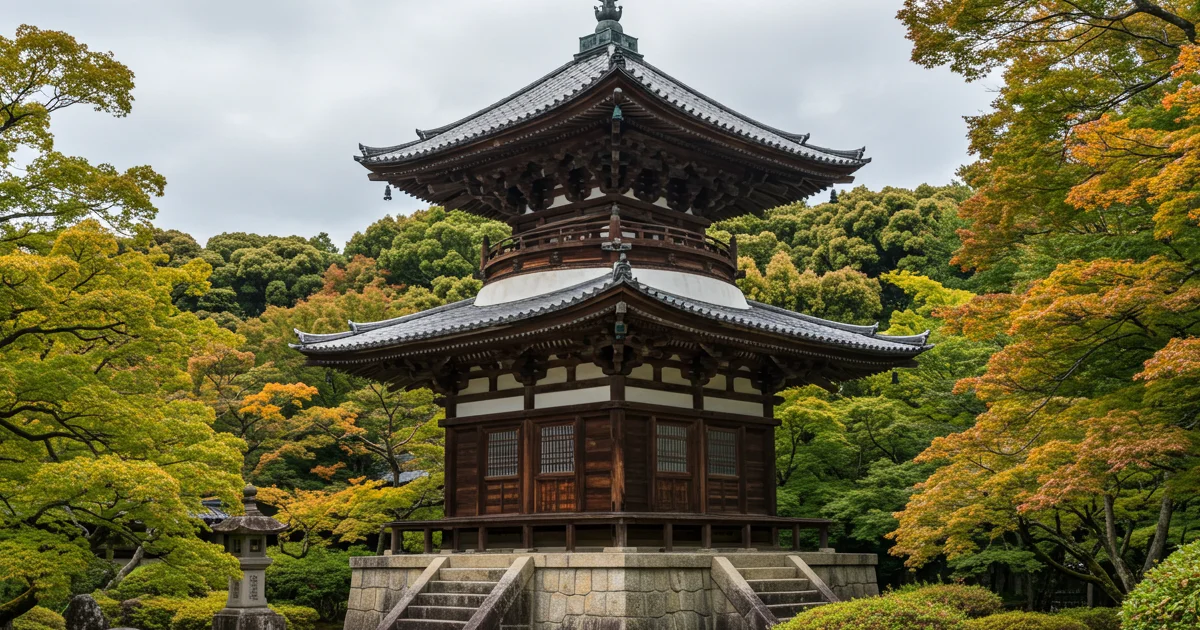
Kyoto served as the imperial capital of Japan for over a millennium, from 794 to 1868, and the Historic Monuments of Ancient Kyoto site preserves an exceptional concentration of masterfully crafted timber architecture, serene Zen gardens, and significant religious structures. These 17 component sites, including 13 Buddhist temples, 3 Shinto shrines, and Nijo Castle, collectively illustrate the profound evolution of Japanese material culture, spiritual beliefs, and aesthetic principles across the Heian, Kamakura, Muromachi, Momoyama, and Edo periods. The intricate joinery, natural materials like cypress and cedar, and harmonious integration with the surrounding landscape exemplify traditional Japanese craftsmanship and design.
The architectural styles present range from the elegant Shinden-zukuri of imperial residences to the robust Shoin-zukuri of samurai mansions, alongside diverse forms of temple and shrine construction. Notable examples include the iconic Kinkaku-ji (Golden Pavilion) with its gold-leafed exterior, the expansive Ryoan-ji rock garden, and the majestic Kiyomizu-dera temple perched on stilts overlooking the city. These monuments not only showcase advanced woodworking techniques and artistic expression but also reflect the deep philosophical and religious influences, particularly Zen Buddhism, that shaped Japanese society and continue to inspire global architectural and landscape design.
Attributes
| Year Inscribed | 1994 |
|---|---|
| Property Area | 1056 ha |
| Buffer Zone | 3579 ha |
| UNESCO ID | 688 |
| Category Type | Cultural |
| Primary Material | Cypress & Cedar Timber |
| Epoch Origin | Heian to Edo Eras (8th C. - 19th C.) |
| Conservation Status | Excellent |
| Annual Visitors | 17 million |