-
Arabic is a Central Semitic language famous for its root-and-pattern morphology and diglossia between Classical/Modern Standard Arabic and diverse spoken vernaculars. It is sacred to Islam and official across the Arab world.
Profile · Language · Cairo, Cairo Governorate, EgyptTotal Speakers 370 ML1 Native Speakers 310 MNumber of Countries 26 countriesLanguage Vitality Index 10 scaleWeb Domain Share (%) 60% % -
Basque (Euskara) is a language isolate predating Indo-European arrival in the Pyrenees. Its ergative-absolutive alignment, rich case system, and unique ergative marking make it one of Europe’s most studied non-Indo-European tongues.
Profile · Language · Bilbao, Basque Country, SpainTotal Speakers 75 KL1 Native Speakers 65 KNumber of Countries 2 countriesLanguage Vitality Index 4 scaleWeb Domain Share (%) 1% % -
Bengali is an eastern Indo-Aryan language and the mother tongue of most Bangladeshis and a major population in West Bengal. Its literary tradition, headed by Rabindranath Tagore, anchors South Asian cultural identity.
Profile · Language · Dhaka, Dhaka Division, BangladeshTotal Speakers 270 ML1 Native Speakers 230 MNumber of Countries 2 countriesLanguage Vitality Index 10 scaleWeb Domain Share (%) 10% % -
Czech is a West Slavic language of Central Europe, closely related to Slovak. Its fixed initial stress, rich case system, and consonant clusters (including ř) define a distinct national literary culture.
Profile · Language · Prague, Prague, Czech RepublicTotal Speakers 13 ML1 Native Speakers 10 MNumber of Countries 1 countriesLanguage Vitality Index 8 scaleWeb Domain Share (%) 20% % -
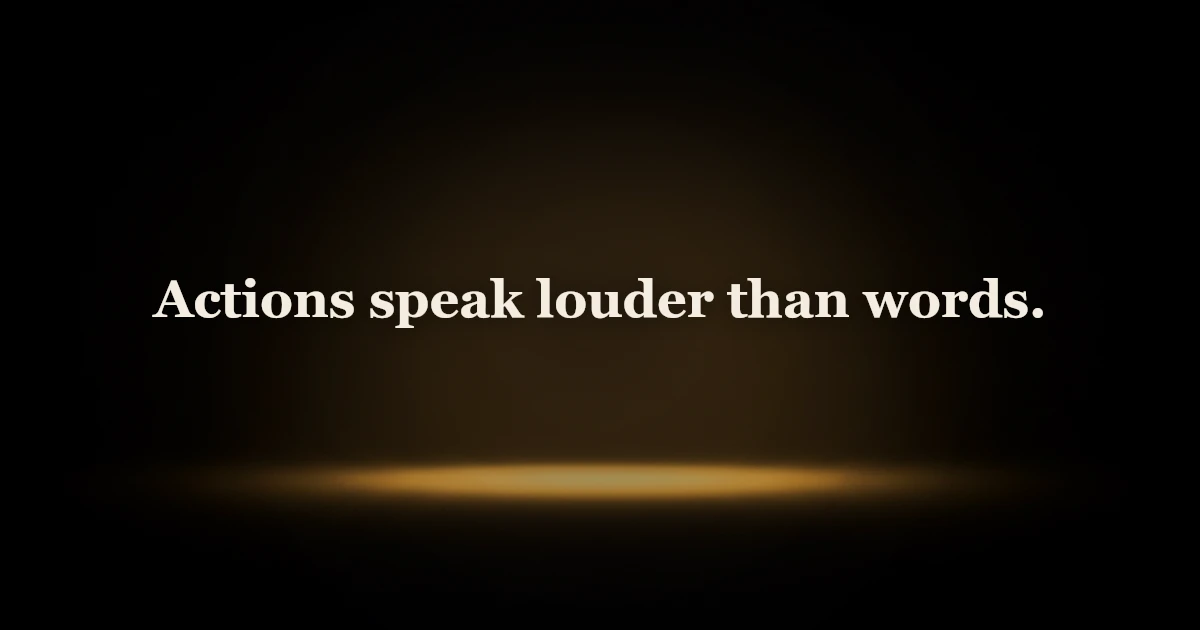
English is a West Germanic language that became the global lingua franca of trade, science, and digital culture. Its analytic grammar, vast borrowed lexicon, and flexible word order make it unusually adaptable across registers.
Profile · Language · London, England, United KingdomTotal Speakers 1,500 ML1 Native Speakers 380 MNumber of Countries 67 countriesLanguage Vitality Index 10 scaleWeb Domain Share (%) 55.4 % -
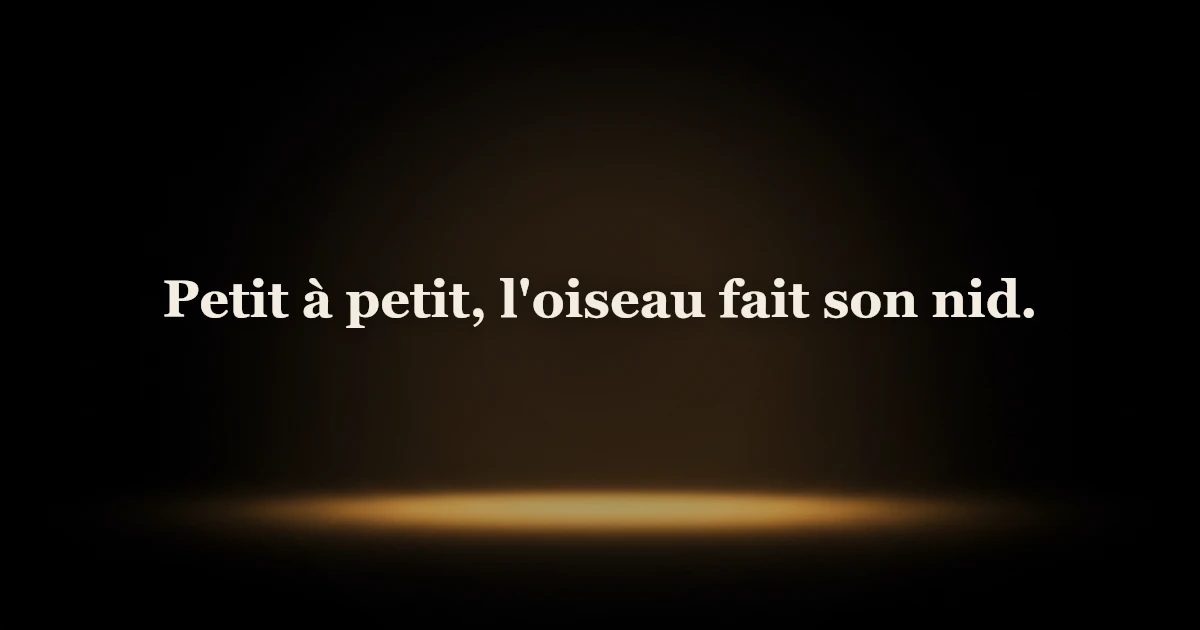
French is a global Romance language and former colonial lingua franca across Africa, the Caribbean, and the Pacific. Its nasal vowels, liaison, and prescriptive tradition through the Académie française shape its international prestige.
Profile · Language · Paris, Île-de-France, FranceTotal Speakers 320 ML1 Native Speakers 80 MNumber of Countries 29 countriesLanguage Vitality Index 10 scaleWeb Domain Share (%) 4.3 % -
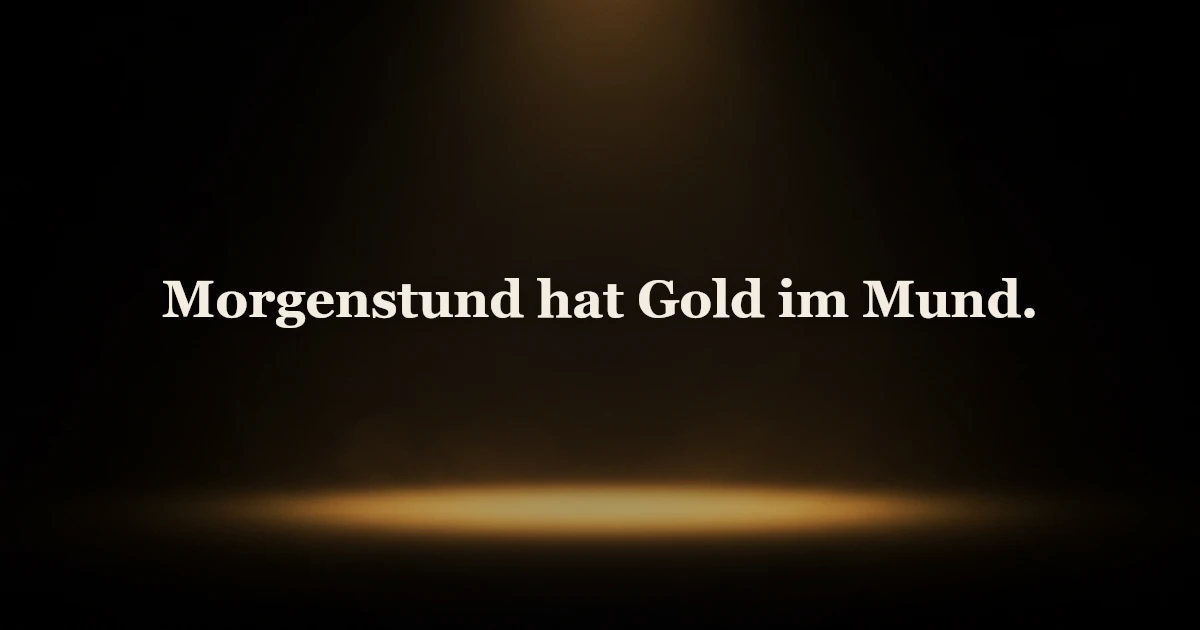
German is a West Germanic language and the most widely spoken native language in the European Union. Its case system, compound nouns, and V2 word order exemplify continental Germanic structure.
Profile · Language · Berlin, Berlin, GermanyTotal Speakers 135 ML1 Native Speakers 95 MNumber of Countries 6 countriesLanguage Vitality Index 9 scaleWeb Domain Share (%) 2.1 % -
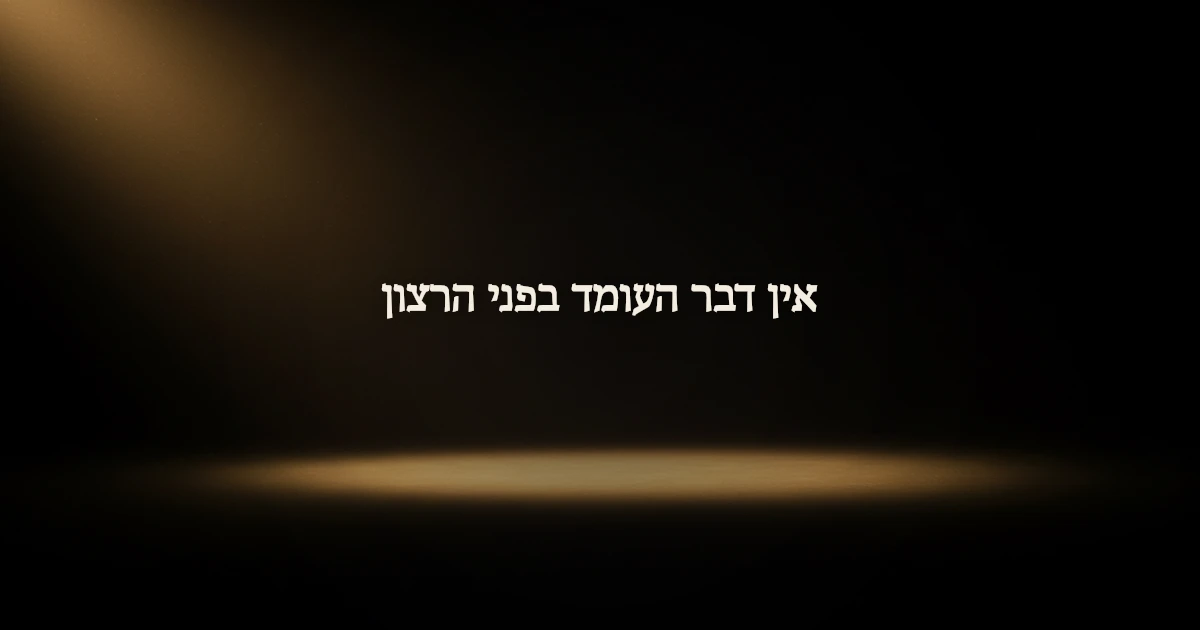
Hebrew is a Northwest Semitic language revived as a modern spoken tongue in the 20th century after millennia as a liturgical literary language. Israel’s standard is one of history’s most successful language revitalization projects.
Profile · Language · Jerusalem, Jerusalem District, IsraelTotal Speakers 9 ML1 Native Speakers 5 MNumber of Countries 1 countriesLanguage Vitality Index 8 scaleWeb Domain Share (%) 10% % -
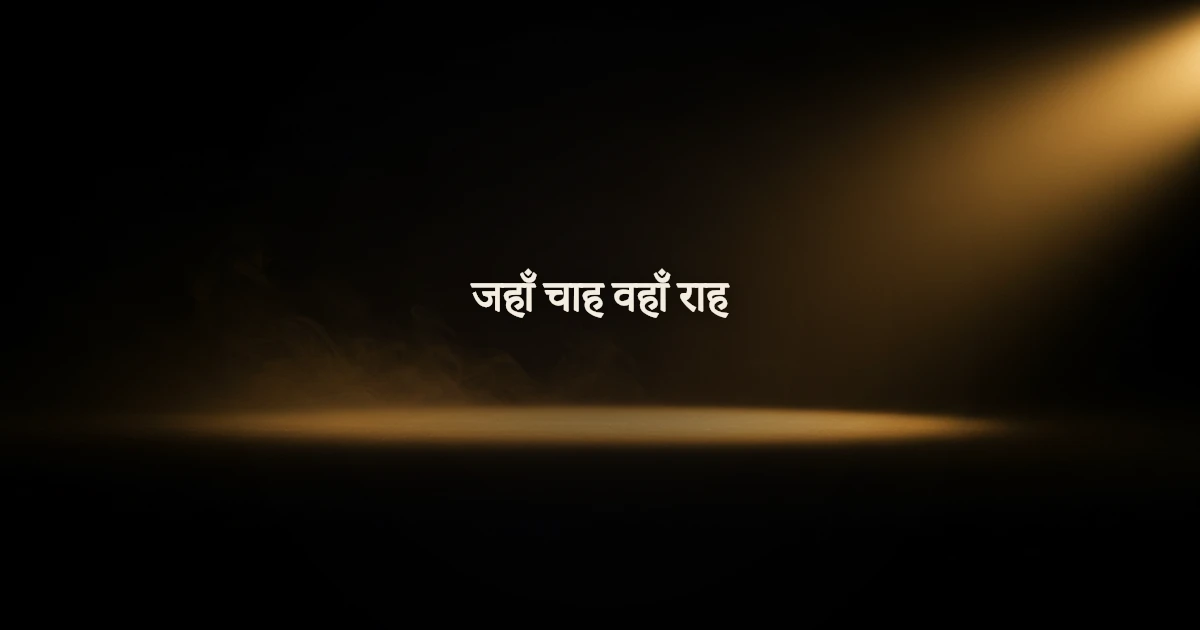
Hindustani names the pluricentric continuum spanning Hindi and Urdu, sharing a common spoken grammar while diverging in formal lexicon and script. It is the everyday language of hundreds of millions across North India and Pakistan.
Profile · Language · New Delhi, Delhi, IndiaTotal Speakers 600 ML1 Native Speakers 340 MNumber of Countries 2 countriesLanguage Vitality Index 10 scaleWeb Domain Share (%) 40% % -
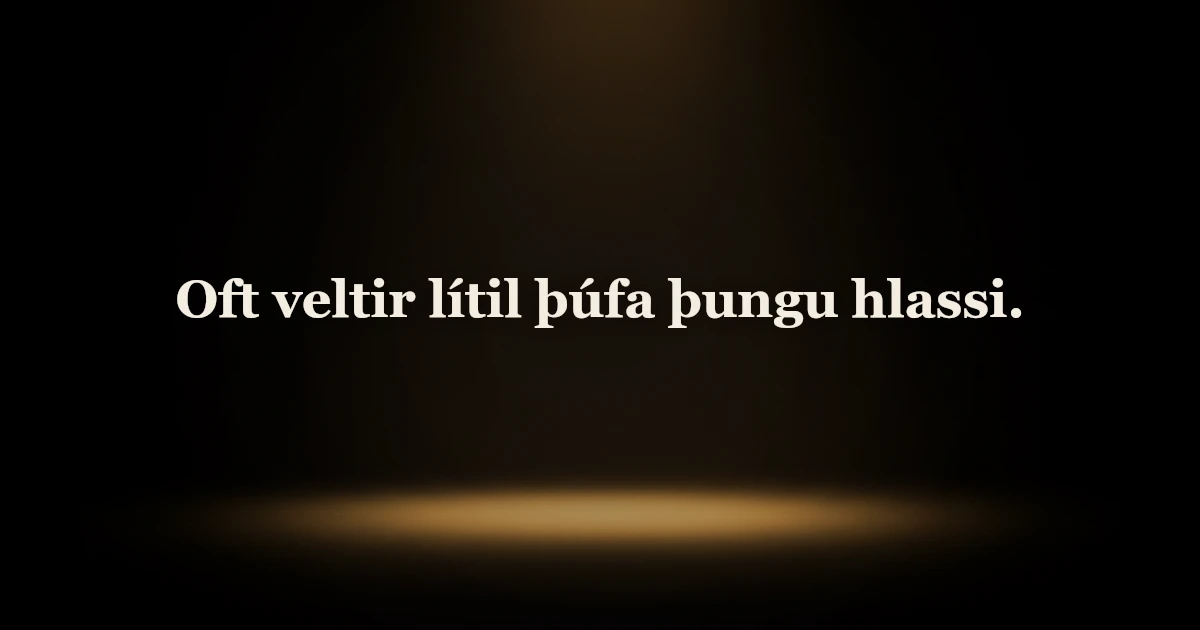
Icelandic is a North Germanic language remarkably conservative in morphology, retaining much Old Norse inflection. Isolation and deliberate purism preserve a literary continuum from medieval sagas to modern media.
Profile · Language · Reykjavik, Capital Region, IcelandTotal Speakers 350 KL1 Native Speakers 320 KNumber of Countries 1 countriesLanguage Vitality Index 7 scaleWeb Domain Share (%) 1% % -
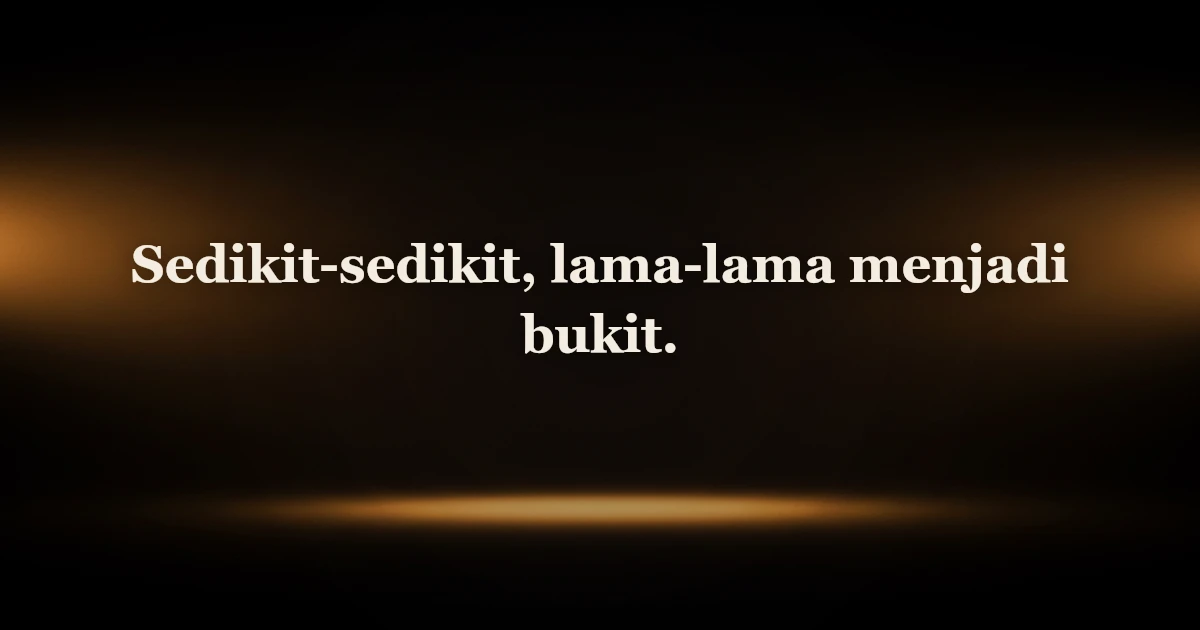
Indonesian (Bahasa Indonesia) is the standardized Malay variety unifying the Indonesian archipelago. As a second language for most citizens, it functions as a classic successful national lingua franca with relatively simple morphology.
Profile · Language · Jakarta, Jakarta, IndonesiaTotal Speakers 200 ML1 Native Speakers 43 MNumber of Countries 1 countriesLanguage Vitality Index 9 scaleWeb Domain Share (%) 10% % -
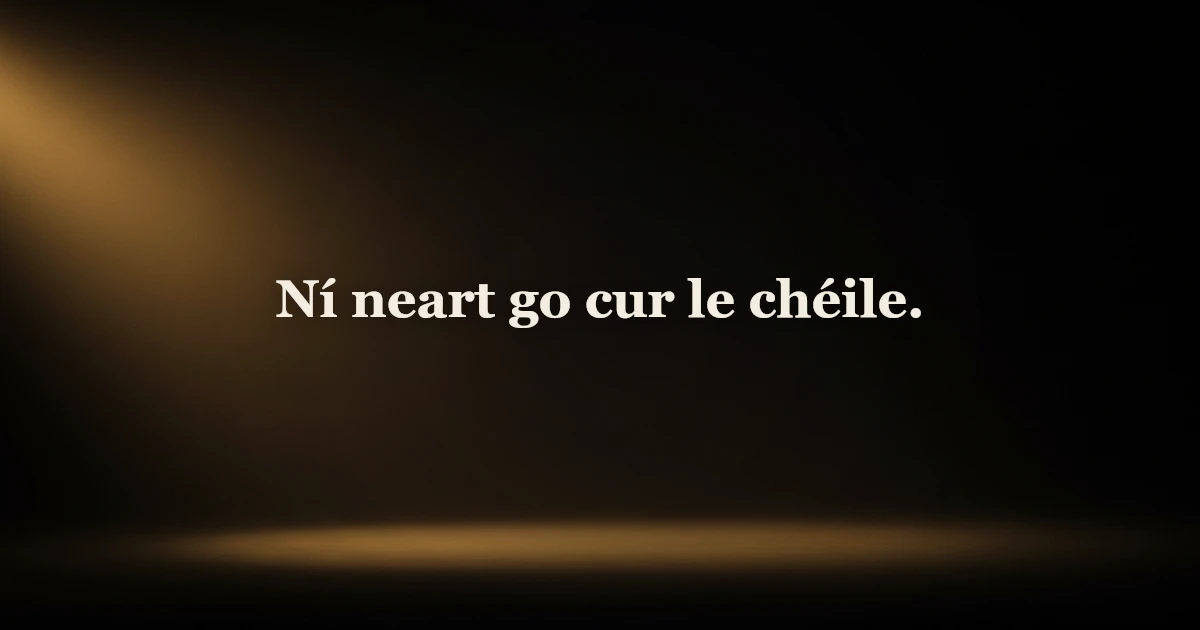
Irish (Gaeilge) is a Celtic Goidelic language and the first official language of Ireland, though English dominates daily life. Gaeltacht communities and state policy sustain a fragile but culturally vital heritage tongue.
Profile · Language · Galway, County Galway, IrelandTotal Speakers 2.1 ML1 Native Speakers 80 KNumber of Countries 1 countriesLanguage Vitality Index 3 scaleWeb Domain Share (%) 1% % -
Italian is a Romance language standardized from Tuscan dialects, chiefly via Dante and Petrarch. It unifies the Italian peninsula linguistically while vibrant regional dialects persist in domestic life.
Profile · Language · Florence, Tuscany, ItalyTotal Speakers 85 ML1 Native Speakers 65 MNumber of Countries 5 countriesLanguage Vitality Index 9 scaleWeb Domain Share (%) 1 % -
Japanese is the national language of Japan, genetically isolate among major world languages. Its mixed logographic-syllabic writing and elaborate honorific system encode deep social hierarchy.
Profile · Language · Tokyo, Tokyo Metropolis, JapanTotal Speakers 125 ML1 Native Speakers 125 MNumber of Countries 1 countriesLanguage Vitality Index 9 scaleWeb Domain Share (%) 5 % -
Korean is the national language of both Koreas and a language isolate (Koreanic) with agglutinative morphology and elaborate speech-level honorifics. Hangul is praised as one of the world’s most efficient alphabets.
Profile · Language · Seoul, Seoul, South KoreaTotal Speakers 80 ML1 Native Speakers 77 MNumber of Countries 2 countriesLanguage Vitality Index 9 scaleWeb Domain Share (%) 50% % -
Mandarin is the prestige variety of Chinese and the official language of China, Taiwan, and Singapore. It is a tonal, analytic Sinitic language written primarily in logographic characters shared across regional lects.
Profile · Language · Beijing, Beijing Municipality, ChinaTotal Speakers 1,180 ML1 Native Speakers 920 MNumber of Countries 4 countriesLanguage Vitality Index 10 scaleWeb Domain Share (%) 1.8 % -
Marathi is a western Indo-Aryan language and the official language of Maharashtra, with a literary tradition dating to the 12th-century saint-poets. It preserves three-gender agreement and ergative patterns shared with Hindi.
Profile · Language · Mumbai, Maharashtra, IndiaTotal Speakers 99 ML1 Native Speakers 83 MNumber of Countries 1 countriesLanguage Vitality Index 9 scaleWeb Domain Share (%) 10% % -
Persian (Farsi) is a southwestern Iranian language and the cultural lingua franca of Iran, Afghanistan (Dari), and Tajikistan. Its elegant literary canon spans Rumi, Hafez, and Ferdowsi’s Shahnameh.
Profile · Language · Tehran, Tehran Province, IranTotal Speakers 110 ML1 Native Speakers 70 MNumber of Countries 3 countriesLanguage Vitality Index 9 scaleWeb Domain Share (%) 40% % -
Polish is a West Slavic language and the primary language of Poland, distinguished by nasal vowels, complex consonant clusters, and seven-case declension. Its literary tradition includes Mickiewicz and Nobel laureate Szymborska.
Profile · Language · Warsaw, Masovian Voivodeship, PolandTotal Speakers 45 ML1 Native Speakers 40 MNumber of Countries 3 countriesLanguage Vitality Index 8 scaleWeb Domain Share (%) 60% % -
Portuguese is a Romance language originating in Galicia and northern Portugal, now dominant in Brazil and lusophone Africa. Brazilian Portuguese drives global demographic growth and distinctive phonological innovation.
Profile · Language · Lisbon, Lisbon District, PortugalTotal Speakers 260 ML1 Native Speakers 220 MNumber of Countries 10 countriesLanguage Vitality Index 10 scaleWeb Domain Share (%) 2 % -
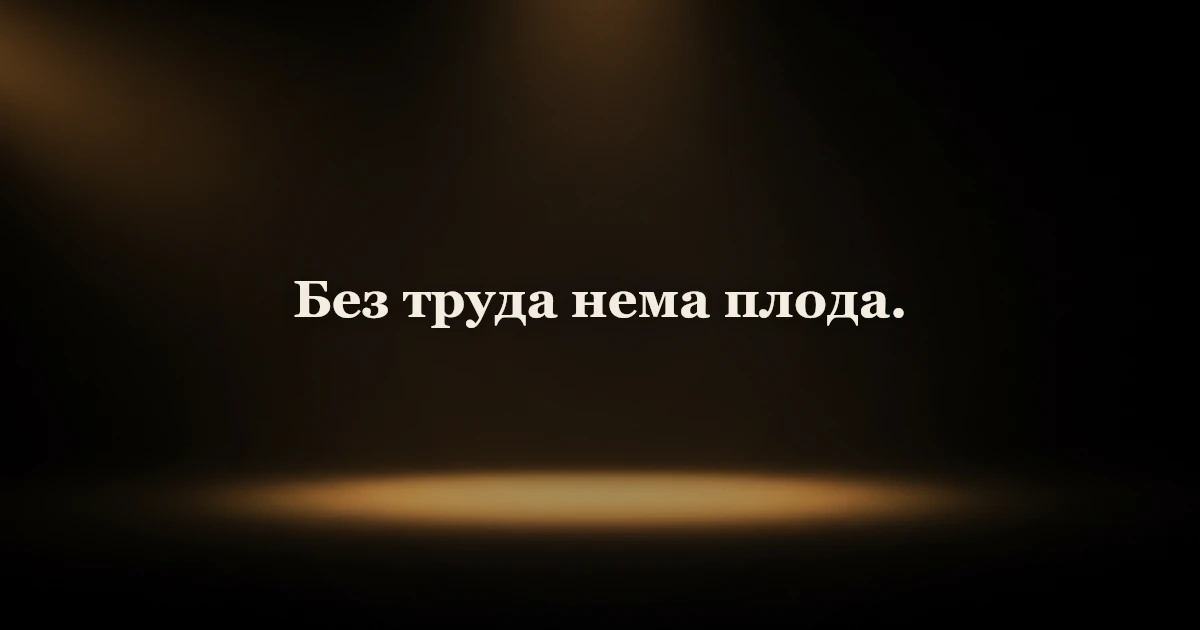
Russian is the most widely spoken Slavic language and the lingua franca of the former Soviet Union. Its Cyrillic script, palatalization, and rich aspectual verb pairs define a major literary and scientific tradition.
Profile · Language · Moscow, Moscow Oblast, RussiaTotal Speakers 255 ML1 Native Speakers 150 MNumber of Countries 4 countriesLanguage Vitality Index 9 scaleWeb Domain Share (%) 5.1 % -
Spanish is a major Romance language and the primary tongue of Spain and most of Latin America. Its consistent orthography, rich verbal morphology, and global media presence make it one of the most studied languages worldwide.
Profile · Language · Madrid, Community of Madrid, SpainTotal Speakers 550 ML1 Native Speakers 485 MNumber of Countries 21 countriesLanguage Vitality Index 10 scaleWeb Domain Share (%) 6.2 % -
Swahili (Kiswahili) is a Bantu language that became East Africa’s trade lingua franca with heavy Arabic lexical influence. It is an official language of the African Union and widely used in education across Tanzania and Kenya.
Profile · Language · Dar es Salaam, Dar es Salaam Region, TanzaniaTotal Speakers 200 ML1 Native Speakers 16 MNumber of Countries 8 countriesLanguage Vitality Index 8 scaleWeb Domain Share (%) 10% % -
Tamil is a classical Dravidian language with over two millennia of continuous literary production. It maintains diglossia between formal centamiḻ and colloquial koṭuntamiḻ across Sri Lanka and South India.
Profile · Language · Chennai, Tamil Nadu, IndiaTotal Speakers 85 ML1 Native Speakers 75 MNumber of Countries 3 countriesLanguage Vitality Index 9 scaleWeb Domain Share (%) 10% % -
Telugu is a Dravidian language of South India and the primary tongue of Andhra Pradesh and Telangana. Called "Italian of the East" for its melodic prosody, it boasts a classical literary status granted by the Indian government.
Profile · Language · Hyderabad, Telangana, IndiaTotal Speakers 95 ML1 Native Speakers 82 MNumber of Countries 1 countriesLanguage Vitality Index 9 scaleWeb Domain Share (%) 10% % -
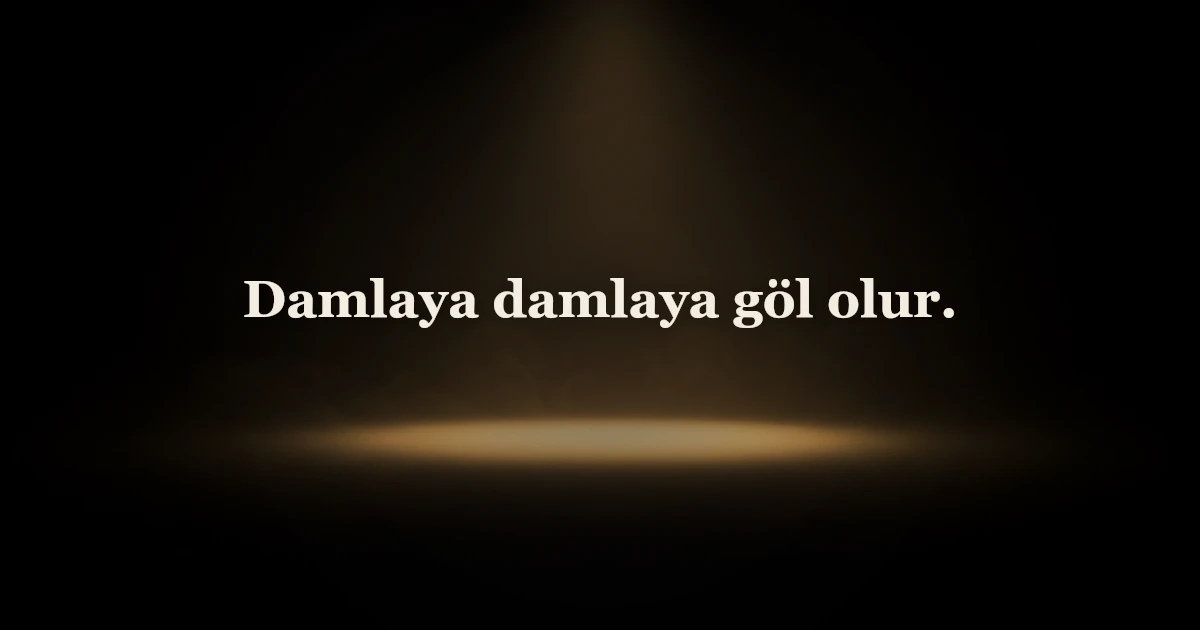
Turkish is the most widely spoken Turkic language, reformed into a Latin orthography under Atatürk. Its vowel harmony, agglutination, and SOV order typify Altaic-contact Eurasian sprachbund features.
Profile · Language · Istanbul, Istanbul Province, TurkeyTotal Speakers 88 ML1 Native Speakers 80 MNumber of Countries 3 countriesLanguage Vitality Index 9 scaleWeb Domain Share (%) 70% % -
Ukrainian is an East Slavic language and the sole official language of Ukraine, written in Cyrillic. Its iotation and vocative case reflect distinct evolution from Russian and Belarusian neighbors.
Profile · Language · Kyiv, Kyiv Oblast, UkraineTotal Speakers 45 ML1 Native Speakers 35 MNumber of Countries 2 countriesLanguage Vitality Index 8 scaleWeb Domain Share (%) 30% % -
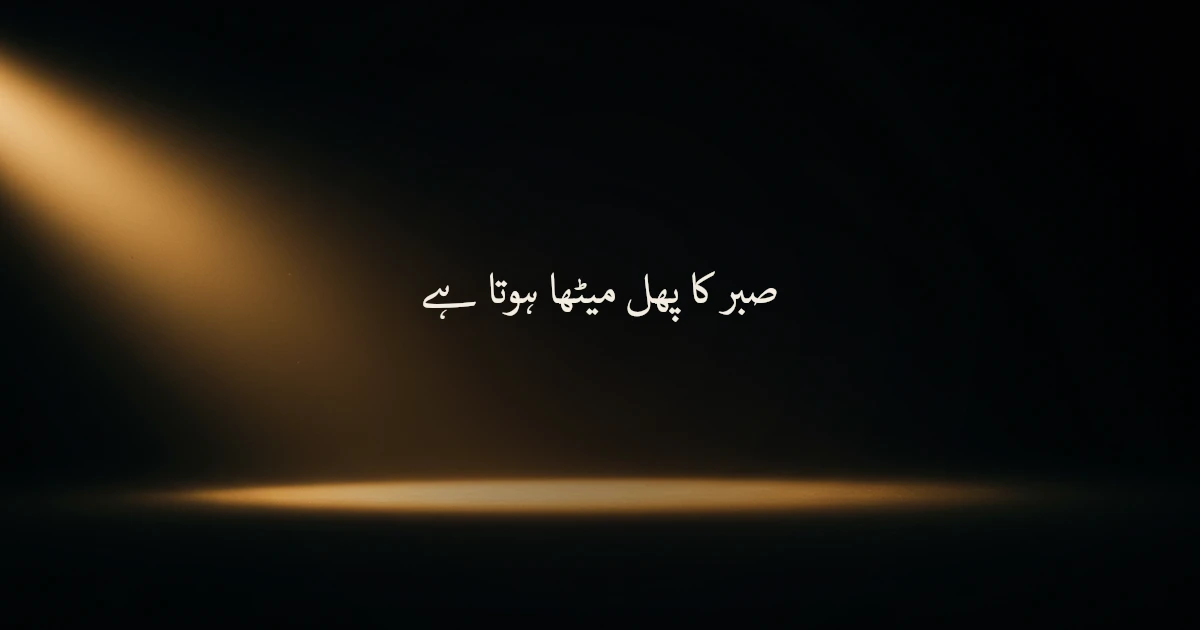
Urdu is a standardized register of Hindustani written in Perso-Arabic Nastaliq and official in Pakistan. Its courtly literary heritage (ghazal tradition) and Sanskrit-Dravidian substrate grammar make it culturally distinctive.
Profile · Language · Islamabad, Islamabad Capital Territory, PakistanTotal Speakers 230 ML1 Native Speakers 70 MNumber of Countries 2 countriesLanguage Vitality Index 9 scaleWeb Domain Share (%) 10% % -
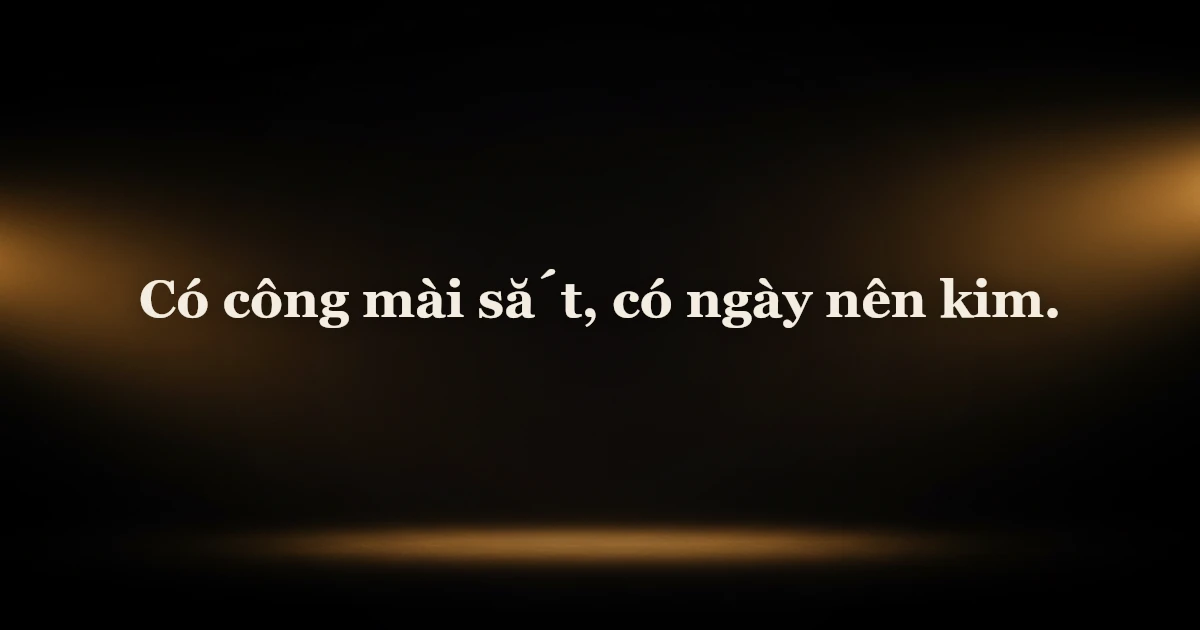
Vietnamese is the national language of Vietnam, belonging to the Mon-Khmer branch of Austroasiatic. Its six tones, analytic grammar, and Latin-based Quốc ngữ script reflect a unique Southeast Asian profile.
Profile · Language · Hanoi, Hanoi, VietnamTotal Speakers 85 ML1 Native Speakers 76 MNumber of Countries 1 countriesLanguage Vitality Index 9 scaleWeb Domain Share (%) 10% % -
Wu is a major Sinitic language group centered on Shanghai, Zhejiang, and Jiangsu, including Shanghainese. Its rich tonal system and preserved Middle Chinese voiced initials distinguish it sharply from Mandarin.
Profile · Language · Shanghai, Shanghai Municipality, ChinaTotal Speakers 85 ML1 Native Speakers 80 MNumber of Countries 1 countriesLanguage Vitality Index 7 scaleWeb Domain Share (%) 10% %

No items match your filters
Try widening a metric range, removing a category, or clearing everything to browse the full catalog.
Clear all filters